Building Mental Resilience in Athletes Through Meditation
Chosen theme: Building Mental Resilience in Athletes Through Meditation. Step into a training space where calm becomes a competitive edge. Here you’ll find practical, science-backed mindfulness tools that help athletes recover faster, think clearer, and stay composed under pressure. Subscribe and share your journey—your story could fuel another competitor’s breakthrough.
Why Meditation Builds Resilient Competitors
Neuroplasticity and Competitive Focus
Regular meditation strengthens attention networks, dampens reactivity in the amygdala, and improves cognitive flexibility. That means sharper decision-making in chaotic plays and fewer mental spirals after errors. Train the brain like a muscle—calm is conditionable.
From Anxiety to Composure Under Fire
Meditation teaches athletes to notice stress signals early and respond consciously. Instead of chasing thoughts, they anchor to breath and body, converting adrenaline into useful energy that supports resilient effort, not panicked overreach.
A Locker-Room Story About Resetting
Before a finals rematch, a point guard used a three-minute breath practice after missing early shots. The crowd jeered; she centered, softened her jaw, and returned present. Fourth quarter? Twelve points, zero turnovers, and quiet confidence.
Pre-Competition Mindfulness Warm-Up
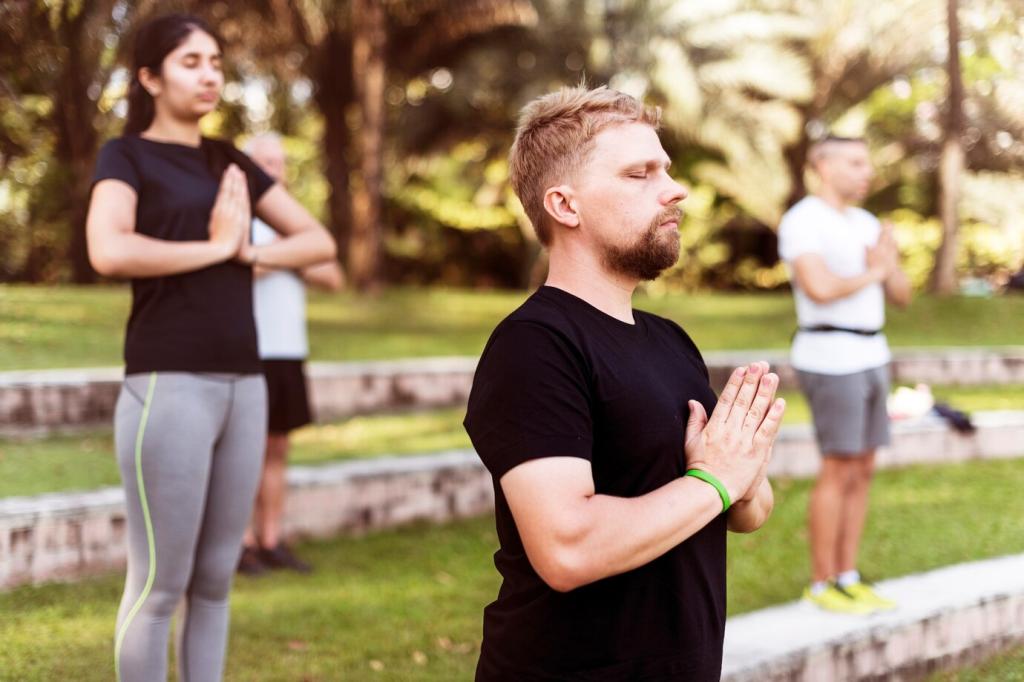
Stand tall, feel your feet, inhale for four, exhale for six, repeat ten cycles. Scan shoulders, jaw, and hands. Name three controllables for today. This short ritual creates reliable mental stability before the first whistle.
Pre-Competition Mindfulness Warm-Up
Write one process intention—such as crisp footwork or patient shot selection—then visualize executing it calmly. Expectations chase results; intentions guide behaviors. Share your intention with a teammate to build accountability and collective resilience.
In-the-Moment Tools During Pressure
Inhale four, hold four, exhale four, hold four. Repeat three cycles while resetting stance or tying a lace. The square structure calms physiology, letting decisions sharpen and emotional storms pass without hijacking the next possession.

In-the-Moment Tools During Pressure
Touch your jersey, inhale once, silently say “next.” Lock eyes with a teammate to rejoin the system. This tiny ritual prevents rumination, replacing self-critique with presence so resilience becomes visible, contagious, and performance-protective.
Sensory-Rich Mental Rehearsal
Close your eyes and simulate the court’s squeak, ball texture, coach’s voice, and breath rhythm. Vivid detail recruits neural circuits used in competition, priming resilient responses when the real moment mirrors your mental practice.
Practicing Through Obstacles
Visualize setbacks—missed shot, bad call, heavy legs—and calmly execute your reset routine. This inoculates against panic by pairing adversity with composure, training your nervous system to meet chaos with practiced steadiness.
Cue Words and Anchors
Choose a simple cue like “steady” or “clear.” Whisper it with each exhale in visualization. On game day, the word anchors attention instantly, collapsing doubt loops and reinforcing resilient, repeatable execution under stress.
Recovery, Sleep, and Emotional Balance
Lie down, move attention from toes to crown, labeling tension without judgment. Exhale longer than inhale. This practice downshifts the nervous system, improving sleep depth and next-day focus, which fuels resilient decision-making.
Team Culture: Coaches and Captains Leading Mindfulness
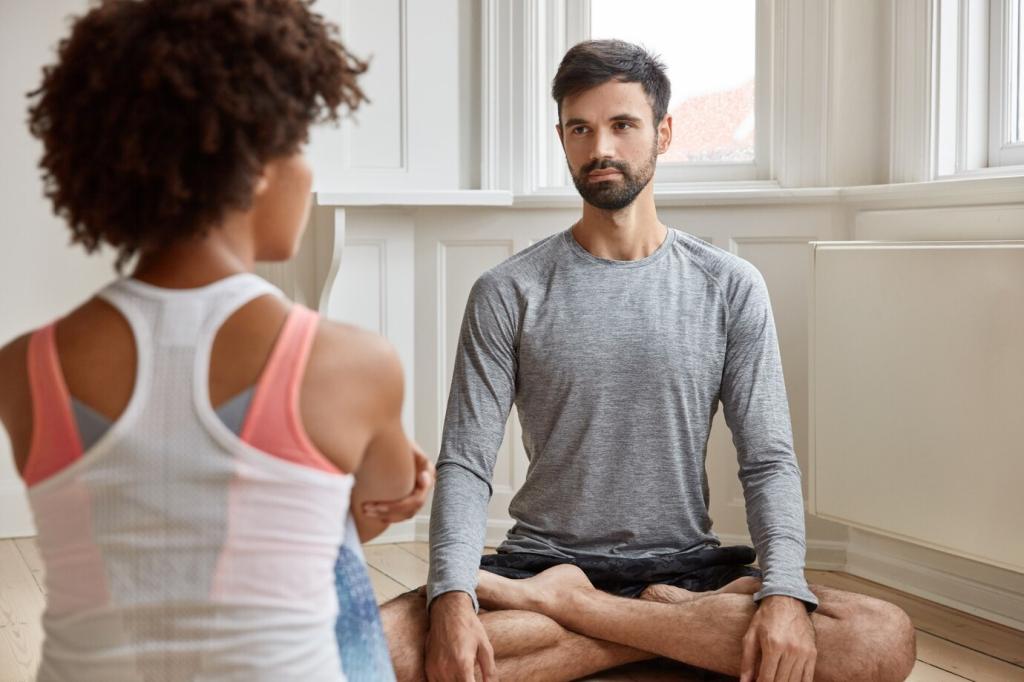
Before drills, guide two slow breaths and one intention. Keep it simple and repeatable so athletes feel safe participating. When leaders practice publicly, mindfulness becomes culture, not a side project for the anxious few.
Team Culture: Coaches and Captains Leading Mindfulness
Small groups share intention cards and check in after practice. Celebrate adherence, not perfection. This peer structure sustains meditation habits and normalizes vulnerability, strengthening collective resilience when the season’s grind intensifies.
Journaling and Resilience Metrics
Log minutes meditated, perceived stress, sleep quality, and mistake-to-reset time. Review weekly with a coach or captain. Trends reveal which practices sharpen composure and where to double down for sustainable mental toughness.

Habit Stacking and Environment Design
Attach meditation to existing routines—lacing shoes, foam rolling, cooldown. Set phone reminders, create a quiet corner, and keep sessions brief. Consistency beats intensity. Share your stack in the comments to inspire teammates.

Join the Community and Share Wins
Subscribe, drop your favorite pre-game meditation below, and tell us a moment you reset under pressure. Your story teaches others, strengthening a resilient culture where calm, clarity, and courage become everyday habits.